Defined execution
- Known inputs and paths
- Rules determine the next step
- People interpret exceptions
Enterprise AI architecture services
We help teams turn one meaningful AI use case into an implementable operating model: the context it needs, the authority it receives, the systems it can reach, the people it hands off to, and the evidence it must leave behind.
The architectural shift
Traditional systems execute known behavior. AI can interpret a situation before every step is known. The enterprise now needs an operating layer that can preserve context, constrain authority, coordinate action, and explain the result.
What the engagement produces
We anchor the work in one bounded business process, then design the reusable responsibilities around it. The result is a delivery path, not a conceptual reference diagram.
See our delivery modelWork, not isolated model calls
Every stage can use AI, deterministic software, or human judgment. The architecture preserves what each stage knew, what it was allowed to do, and what it produced.
Implemented in CXFabric
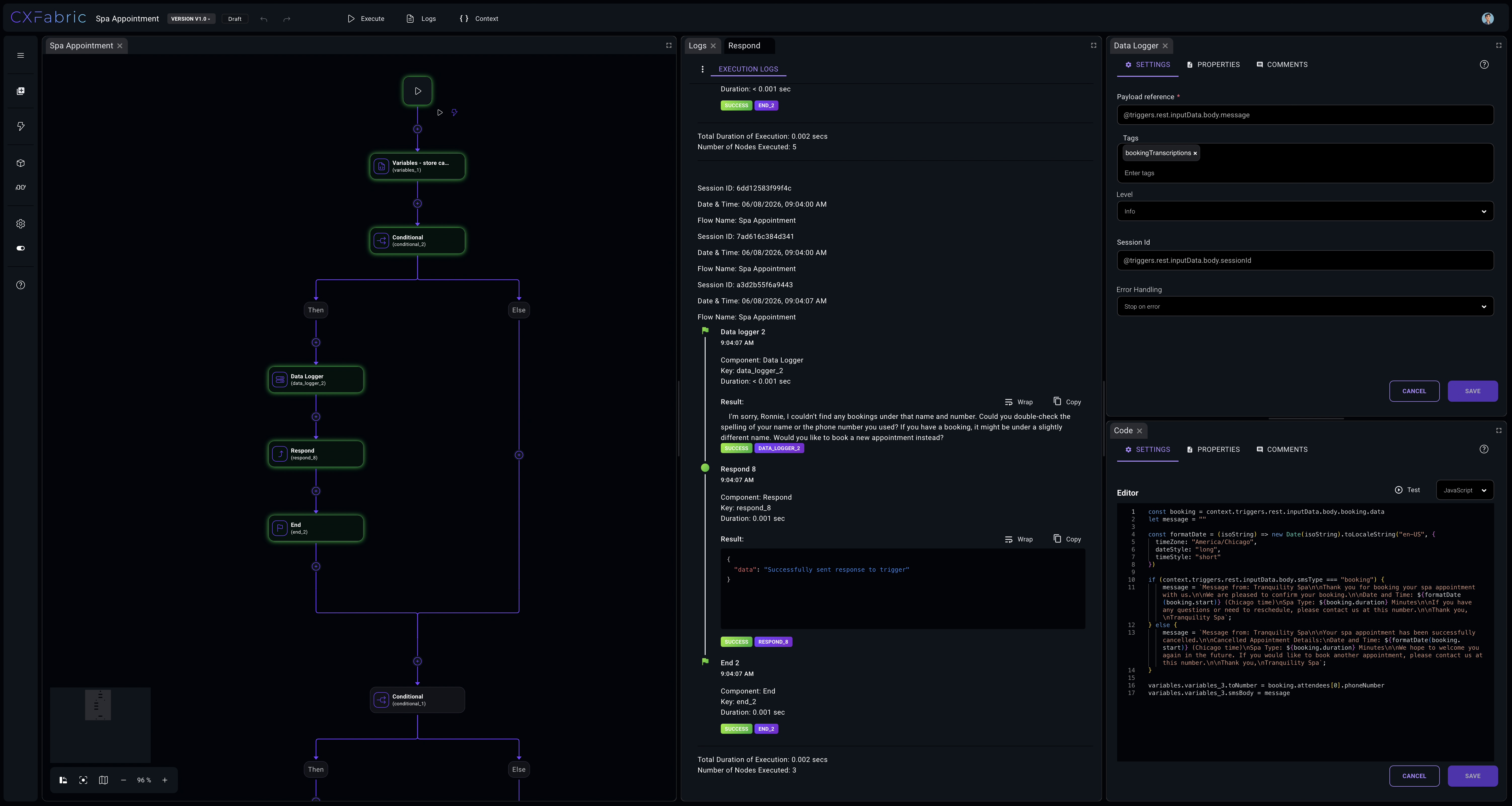
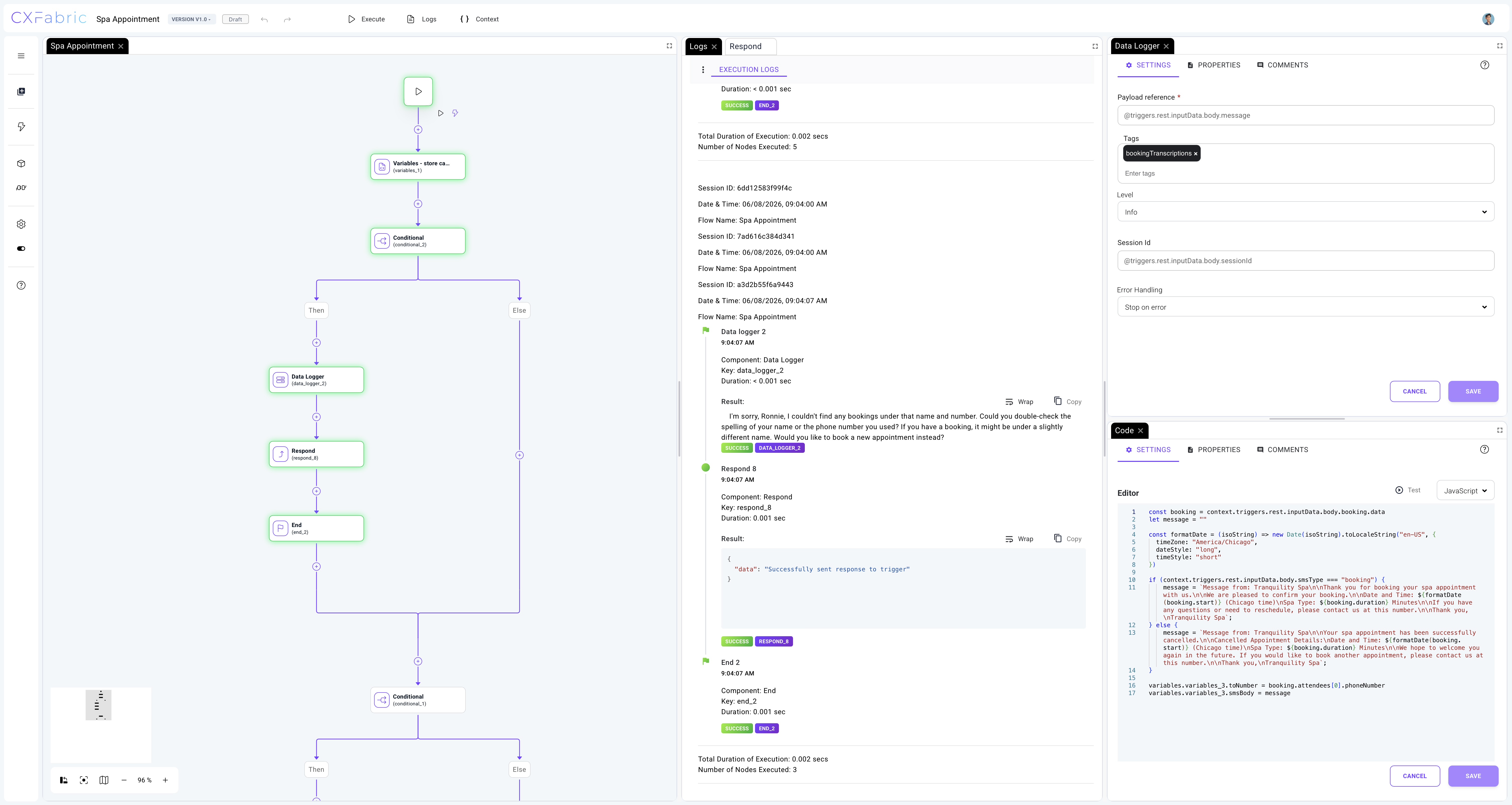
CXFabric operationalizes the architecture as a visual, code-capable platform that runs close to customer systems and keeps enterprise control intact.
Combine workflows, reusable components, custom code, AI, approvals, and exception paths.
Use free, customizable connectors with governed credentials and customer-specific mappings.
Deploy in shared cloud, VPC, private cloud, self-hosted, or on-prem environments.
Use real-time designer output and historical logs to inspect, correct, and improve work.
A practical delivery path
Architecture becomes credible when it is proven in production work, captured as a reusable pattern, and expanded under clear ownership.
Define the owner, outcome, systems, policy, and evidence needed for a real operating process.
Package connectors, components, mappings, roles, deployment, and review paths as shared capability.
Apply the pattern across teams and use cases without rebuilding the architecture or surrendering the boundary.
Research behind the approach
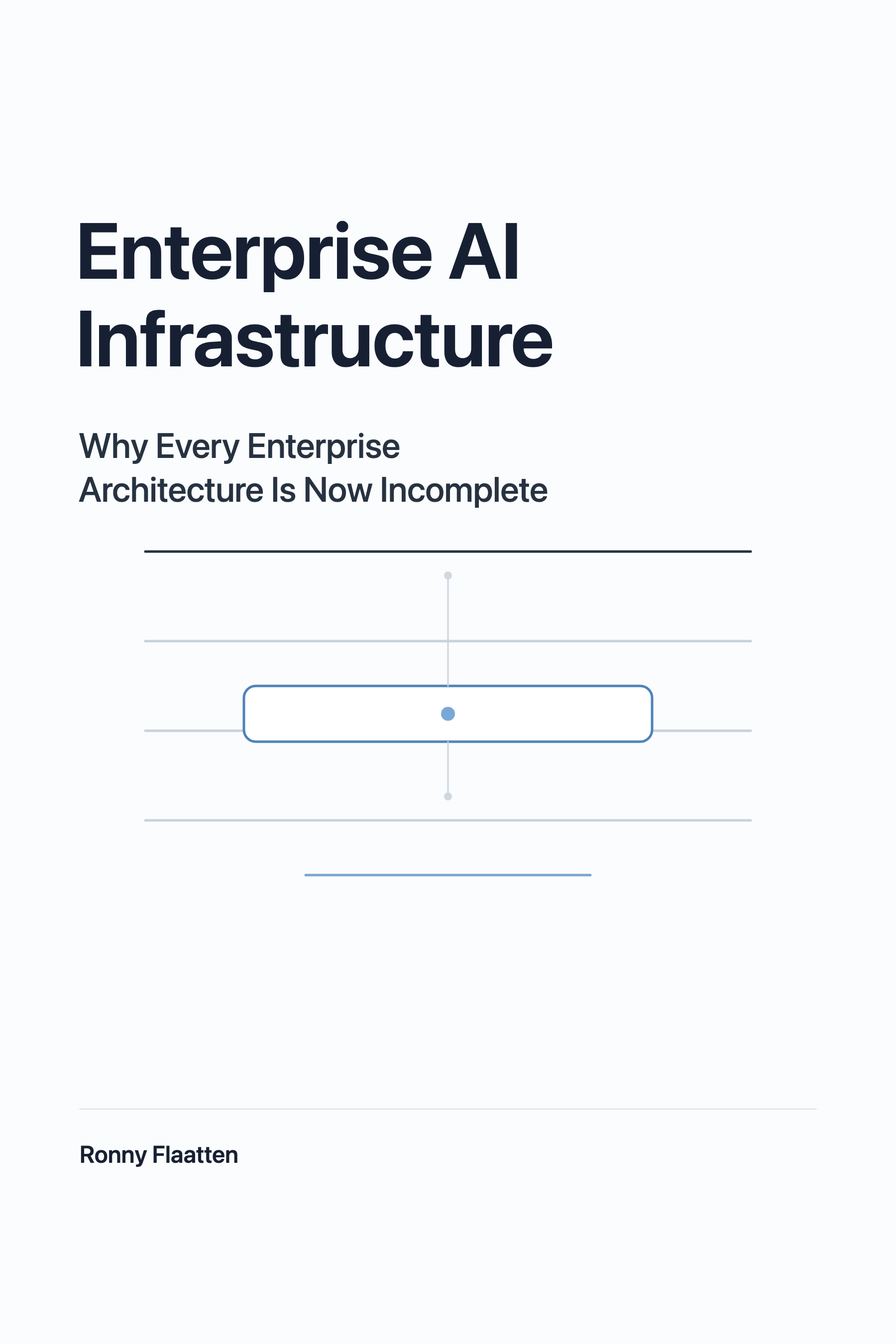
The book examines how enterprise architecture must change when software can interpret context, communicate, choose tools, and participate in work. It provides the broader reasoning behind the practical engagement and platform approach shown here.
From architecture to operating work